Alchemy in Graveyard Keeper 2
Turn studied ingredients into powders, solutions, and extracts — the alchemist's workshop is your next profit center.
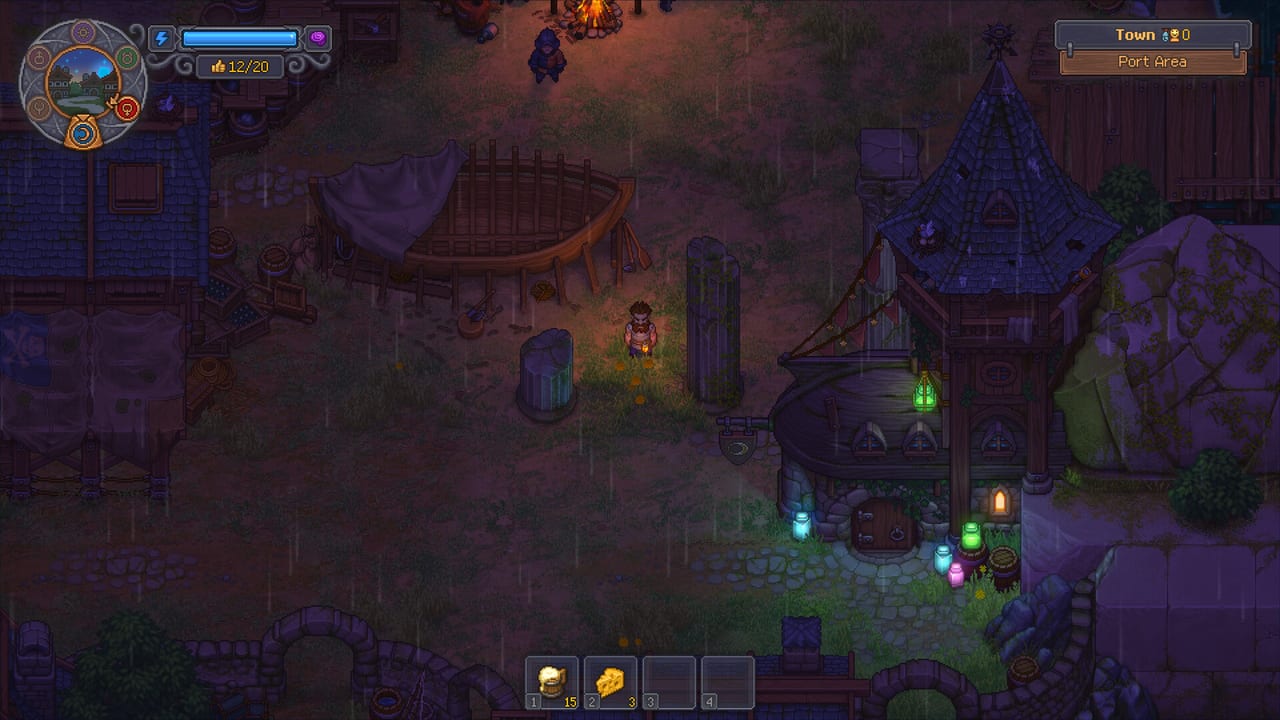
Alchemy returns in Graveyard Keeper 2 as a core production system. The September 2026 launch confirmed that Clotho the alchemist appears in The Swamp, and the study table lets you research ingredient decomposition before you commit to a recipe. This page covers the alchemy workflow, machine types, and the difference between success and the goo that happens when a reaction fails.
If you need raw materials first, pair this with farming and automation. If you want the combat result of alchemy, check combat.
Finding the alchemy workshop
Clotho is your alchemy contact and is found in the center of The Swamp during daytime hours. The workshop contains:
- A study table for ingredient research
- An alembic still or equivalent for processing
- Input slots for three ingredients
- Output collection area
The workshop is a production building, not a quest-gated area. Once you have ingredients and have unlocked relevant tech tree nodes, you can use it freely.
The study table: research before you craft
Before using any ingredient in alchemy, place it on the study table to see what it decomposes into:
- Powder — dry processing form
- Solution — liquid processing form
- Extract — concentrated processing form
- Combinations — some ingredients produce multiple decomposition products
This is not optional. Running reactions blind produces goo, not potions. The research step shows you exactly what a given ingredient yields so you can plan recipes instead of dumping three mystery items into a still and hoping for profit.
Processing machines
Each decomposition form requires a specific machine type:
- Powder — grinder or mortar
- Solution — extraction tank or steeping vessel
- Extract — concentration chamber or distillation column
Not all machines are available from the start. The tech tree controls which processing equipment you can build. Early game you may only have access to powder processing; solutions and extracts unlock through research.
The three-ingredient reaction system
The alchemy system uses three ingredient slots. Successful reactions produce:
- Potions — consumables with buffs or effects
- Dye — coloring agents for crafting
- Ingredients — intermediate products for other recipes
Failed reactions produce goo (×2 quantity). The goo is not worthless — it hints at what went wrong. If you keep one ingredient and replace the other two with related components, you often get a working recipe.
Recipe structure and hints
Recipes in Graveyard Keeper 2 alchemy are combinations of:
- Base component (powder, solution, or extract)
- Modifier ingredient
- Catalyst or stabilizer
The color-coding of ingredients helps you match components. Use the study table extensively before attempting high-value recipes.
Alchemy and the economy
Alchemy products feed directly into:
- Town restoration — potions and extracts sell well to NPCs
- Combat — buffs and elixirs for you and your zombie troops
- Automation — some alchemical byproducts are machine fuel
- Graveyard — certain extracts preserve corpses better
The Swamp location means reagents are nearby, but transport to Town Workshop for mass production requires planning. Consider a dedicated alchemy annex near the swamp if you plan to scale potion production.
Early alchemy checklist
- Find Clotho in The Swamp center during daytime
- Research every ingredient you collect on the study table
- Note which decomposition forms each ingredient produces
- Unlock powder processing first, then solutions, then extracts
- Start with simple two-ingredient reactions before attempting complex three-slot recipes
- Keep failed goo — it is a recipe hint, not waste
What carries over from Graveyard Keeper 1
The original game’s alchemy knowledge helps with general concepts:
- Research-before-craft is the same philosophy
- Color-matching ingredients still works
- Failed reactions produce hints, not just waste
What does not carry over: exact recipes, reagent names, and specific potion effects. Do not assume a Graveyard Keeper 1 potion table is valid for the sequel.
Related systems
Alchemy connects to automation when you need zombie workers at processing machines. It connects to combat when you need potions for the Grand Inquisitor or your troops. The tech tree controls which machines and recipes unlock. The Town is where alchemy products find their best customers.
Frequently Asked Questions
Quick answers Keepers ask before September 22.
Where is the alchemy workshop?
Clotho the alchemist is in the center of The Swamp during daytime. The workshop contains a study table, processing machines, and three ingredient slots.
What does the study table do?
It shows what an ingredient decomposes into: powder, solution, or extract. Always research before crafting to avoid failed reactions and goo.
What are the processing machine types?
Powder uses grinding equipment, solutions use extraction tanks, and extracts use concentration chambers. Each form requires its specific machine.
How do I avoid failed alchemy reactions?
Research ingredients first on the study table. Keep successful components and replace failed ones gradually. Failed reactions produce goo (×2) which hints at recipe corrections.
What can I make with alchemy?
Potions for combat buffs, dyes for crafting, extracts for graveyard preservation, and solutions that sell well in Town. Scale depends on your tech tree unlocks.